I was born in Sydney, Australia, and it was home until my family moved to the Seattle area when I was just shy of 8 years old. It’s the first of several places I’ve called home - followed by Washington State, Los Angeles, Dublin, and wherever comes next. I hold both Australian and American citizenship, and while my professional and academic life has mostly unfolded in the United States and Europe, Australia is where a lot of the foundations were laid.
The UNICEF Book
When I was around seven, my mother gifted me a book that UNICEF had produced about the lives of children in different parts of the world, titled A Life Like Mine. I don’t think anyone intended it to be a formative moment - it was a children’s book - but it ended up being a very critical moment in setting me down the path I am on now. Reading about kids my age who didn’t have access to clean water, couldn’t go to school, were forced to be child soldiers, or had been displaced by conflicts I’d never heard of, did something that stuck. It didn’t just make me aware that the world was unequal; it made me want to understand why. I remember fixating on the idea of unequal access to education for women and girls, as I was at the age where I had recently started grade school. It was the human rights issue I could most sufficiently comprehend at that age. That impulse - not just to observe disparity but to trace its causes - has been the through-line of most of what I’ve done since.
It would be easy to romanticise that memory or overstate it, but I think the honest version is more interesting: a seven-year-old in Australia encountered something that didn’t make sense to her, and the instinct to figure it out never really went away. My undergraduate thesis on ethnoreligious nationalism, my fieldwork in Tunisia on women’s rights under political Islam, my MPhil dissertation on how right-wing movements co-opt the language of gender justice - these are all, in some sense, more sophisticated versions of the same question that book surfaced. Why do people get excluded? How does it get justified? What makes it feel normal to the people doing it? For younger me, it also inspired questions about what I could do to help. Years later, I found myself sitting in the UNICEF Plaza in NYC, on a lunch break from my internship with the UN team at Outright International, reminiscing about the very book that brought me there in the first place.
Calling Multiple Places Home
Being someone who has lived across countries from a young age does something to how you see the world - not automatically, and not always in the ways people assume. The standard narrative is that it makes you “globally minded” or “culturally aware,” and those aren’t wrong exactly, but they’re too vague to be useful.
What it actually gave me is a habit of noticing what’s different and what isn’t. Moving from Australia to the Pacific Northwest as a child meant absorbing two sets of assumptions about how society works, what’s normal, and what goes unquestioned. That experience of comparison - of seeing the same human dynamics play out in different cultural containers - became something I leaned into rather than grew out of. At a young age, it manifested in small ways where I felt not necessarily excluded due to being a different nationality, but rather felt like I was misunderstood or catching up on unspoken social and cultural phenomena. I very quickly learned that the Pledge of Allegiance is a daily occurrence in American schools, and stumbled my way through learning the words while praying no one in my class noticed my mistakes.
I learned that some of my peers viewed ‘Australian’ as a different language when we did a class exercise in identifying different world languages. I had notably left ‘Australian’ off my list, choosing to include other options such as Xhosa and Zulu. I remember expressing disagreement with the idea because I spoke the same language, just with a different accent and a few differences in vocabulary - this did not feel like it should have qualified as a different language. Perhaps this was a precursor to my learning about languages versus dialects. Still, it was interesting to see how my peers viewed the place I called home. To their credit, when enough Aussie slang is used, Australians can sound like they’re speaking an entirely different language. I remember classmates loving my accent, almost to the point where I was insecure due to the attention paid to it. It faded within 18 months of my move to the US; I now wish it had stayed longer.
When I studied abroad in Tunisia, I wasn’t just there as a foreign student encountering an unfamiliar context. I was doing what I’d been doing since childhood: arriving somewhere, paying attention to the specific ways it differed from what I knew, and trying to understand those differences structurally rather than just experientially. The independent research I conducted there - interviewing women in the suburbs of Tunis about their experience of women’s rights in the wake of the 2011 Jasmine Revolution - required exactly that combination of genuine cross-cultural sensitivity and analytical rigour.
The same instinct runs through my research on right-wing movements across the US and UK. My dissertation didn’t just compare two national contexts because it seemed like a tidy academic exercise. It compared them because the same rhetorical strategies - the appropriation of women’s rights language to justify xenophobia - appeared in both, adapted to local conditions. Recognising that pattern requires the kind of double vision that comes from never having lived entirely inside a single national frame.
What Australia Means Now
I haven’t lived in Australia for a long time, and I’m not going to pretend it’s where I do my work or where my professional networks are. But it matters to my story in a way that’s more than biographical. Being born somewhere and then leaving it - carrying that place with you while building a life in other places - creates a particular orientation toward belonging, identity, and the claims people make about who does and doesn’t count. Those are exactly the questions my research is about.
Australia also sits in the world in a way that’s analytically interesting for someone who studies nationalism and exclusion. It has its own complex history with Indigenous rights, immigration policy, and national identity - a history I’m aware of and continue to learn about, even at a distance. Growing up there, even briefly, means those dynamics aren’t abstract to me in the way they might be if I’d only ever encountered them in a textbook.
Glimpses of my Aussie upbringing still follow me to this day. My sense of humor differs based on who I’m surrounded by, with a notably more dry and sarcastic tone when around Australians or other people from backgrounds with similar styles of humor. The very tone of my voice switches when I revert to my Aussie accent, whenever I go home to visit. I will always choose a Vegemite and cheese sandwich over a PB&J. I will always prefer the sun to the rain, and I will always cheer for Australia over the US in Olympic swimming.
The simplest version: Australia is the first place that taught me to pay attention to the world beyond my immediate experience. The UNICEF book did part of that work. Moving away and looking back did the rest.
From the archive
Gallery
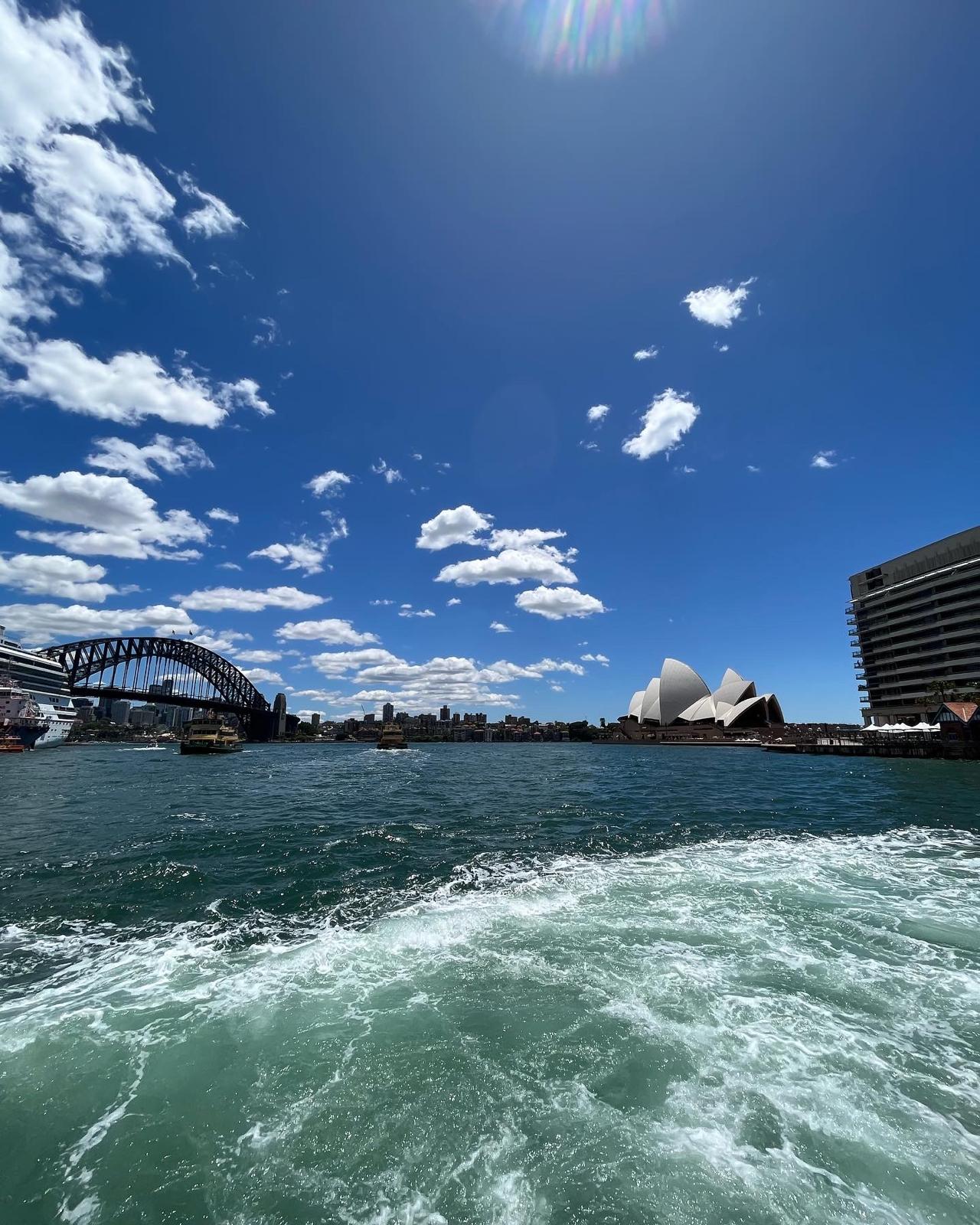
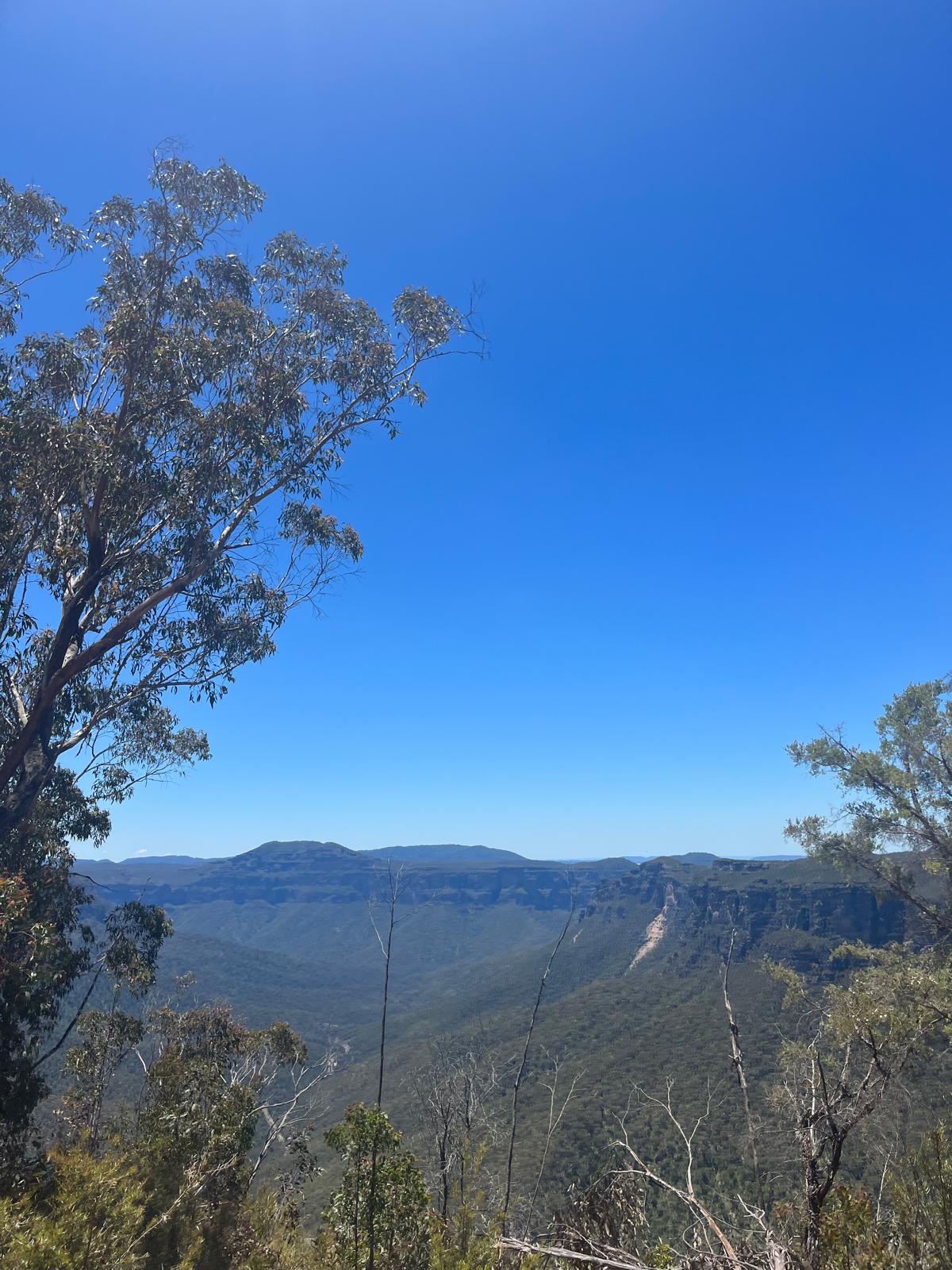
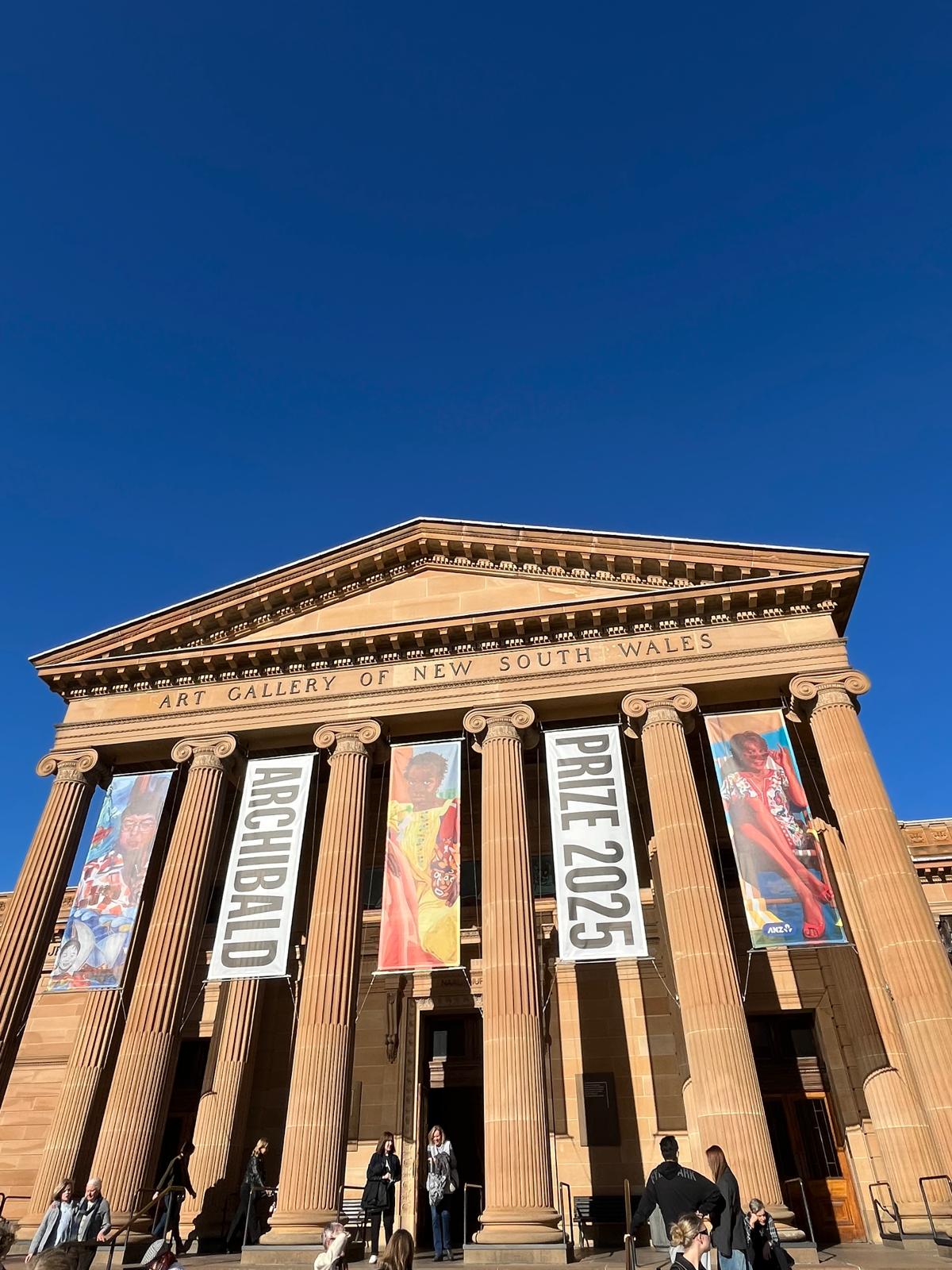
Images that hold some of the brightness and scale of Sydney in memory.